The Analog Renaissance: Why Retro Stars Handwritten Font Is Reshaping Modern Brand Identity
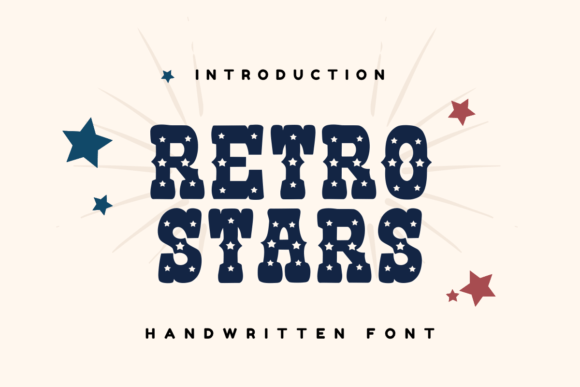
In an era defined by algorithmic precision and sterile digital interfaces, a counter-movement is gaining significant traction across creative industries. Designers, marketers, and entrepreneurs are increasingly seeking ways to inject warmth, personality, and human imperfection into their visual communications. At the forefront of this shift is Retro Stars, a handwritten display font that bridges the gap between nostalgic charm and contemporary utility. This typeface is not merely a stylistic choice; it represents a strategic response to consumer fatigue with overly polished corporate aesthetics.
Retro Stars serves as a versatile tool for creators who understand that authenticity drives engagement. Whether utilized for intimate personal projects like diary entries or high-impact commercial assets such as social media campaigns, this font offers a distinct voice in a crowded marketplace. Its rise highlights a broader trend where the medium of communication is just as important as the message itself.
The Psychology of Handwritten Typography in Digital Spaces
The appeal of Retro Stars lies in its ability to mimic the organic flow of human handwriting while maintaining the legibility required for professional design. In psychology, handwritten text is often associated with sincerity, effort, and personal connection. When a brand uses a font like Retro Stars, it subconsciously signals to the audience that there is a human behind the logo, the product, or the message.
This psychological lever is crucial in today’s market. Consumers are becoming more discerning, often skeptical of mass-produced content. By integrating a handwritten display font into their workflow, professionals can break through the noise of standard sans-serif typography. It creates a visual pause, inviting the viewer to engage more deeply with the content. This is particularly effective in sectors where trust and relatability are paramount, such as wellness, education, artisanal goods, and lifestyle coaching.
Beyond Aesthetics: Functional Versatility in Creative Workflows
While the aesthetic value of Retro Stars is evident, its true power emerges in its functional versatility. Many handwritten fonts suffer from poor readability or limited use cases, but Retro Stars is engineered to perform across a wide spectrum of applications. For individuals and small business owners, this adaptability simplifies the design process, allowing for a cohesive brand identity without the need for multiple typefaces.
Consider the practical applications for personal productivity and journaling. Users can employ Retro Stars for taking notes, writing a diary, or creating personalized greeting cards. The fluid strokes encourage a sense of mindfulness and creativity, transforming mundane tasks into expressive acts. This aligns with the growing "slow living" movement, where individuals seek tools that enhance the quality of their daily routines rather than just speeding them up.
On the commercial side, the font’s utility expands significantly. Entrepreneurs can leverage Retro Stars for:
- Product Packaging: Adding a handcrafted feel to labels on mugs, candles, or organic food items.
- Apparel Design: Creating eye-catching graphics for shirts and tote bags that resonate with youth culture and vintage trends.
- Stationery Suites: Designing cohesive letterheads, business cards, and envelopes that leave a lasting impression on clients.
- Digital Content: Enhancing social media posts, blog headers, and email newsletters to increase click-through rates through visual differentiation.
Aligning with Market Trends: The Demand for Authenticity
The popularity of Retro Stars is not an isolated phenomenon but part of a larger industry shift toward "human-centric" design. As technology becomes more pervasive, there is a compensatory desire for tactile, analog experiences. This is evident in the resurgence of vinyl records, film photography, and print media. Typography plays a critical role in this ecosystem. A font like Retro Stars acts as a digital proxy for the physical act of writing, satisfying the consumer’s craving for tangible connection in a virtual world.
For marketers and content creators, understanding this trend is essential. The modern consumer does not just buy a product; they buy into a narrative. Using a generic font may convey information, but using a distinctive handwritten font like Retro Stars conveys character. It suggests that the brand values individuality and craftsmanship. This alignment with consumer values can significantly influence purchasing decisions, particularly among millennials and Gen Z demographics who prioritize authenticity over corporate polish.
Strategic Implementation for Professionals and Freelancers
Integrating Retro Stars into a professional portfolio or business strategy requires a nuanced approach. It is not suitable for every context; for instance, it may lack the formal authority needed for legal documents or high-finance reports. However, for creative agencies, freelancers, and startups, it offers a competitive edge. Here is how professionals can maximize its impact:
- Brand Differentiation: Use Retro Stars for logos and taglines to stand out in saturated markets. Its unique letterforms ensure that brand recognition is built on distinct visual cues.
- Emotional Targeting: Deploy the font in campaigns aimed at evoking nostalgia, comfort, or joy. It is particularly effective for seasonal promotions, holiday greetings, and community-focused initiatives.
- Content Hierarchy: Combine Retro Stars with clean, neutral sans-serif fonts for body text. This contrast creates a balanced layout where the handwritten element draws attention to key messages without compromising readability.
- Cross-Platform Consistency: Ensure that the font renders well across various devices and print materials. From banners on a website to text on a ceramic mug, consistency reinforces brand identity.
The Future of Display Typography
As we look forward, the role of display fonts like Retro Stars will likely expand. Advances in web typography and printing technologies mean that complex, handwritten styles can be rendered with greater fidelity and speed than ever before. This lowers the barrier to entry for small businesses and independent creators, democratizing access to high-quality design resources.
Moreover, the integration of such fonts into digital tools—such as note-taking apps, design software, and social media platforms—reflects a changing expectation in user experience. Users no longer accept rigid, one-size-fits-all interfaces. They demand customization and personalization. Retro Stars meets this need by offering a tool that feels personal yet professional, casual yet curated.
The relevance of this font also ties into the gig economy and the rise of the creator economy. Freelancers and solopreneurs must wear many hats, including that of a designer. Having access to a versatile, high-impact font like Retro Stars allows them to produce professional-grade materials without extensive design training. This efficiency is crucial in a fast-paced market where speed and quality must coexist.
Practical Observations in Modern Design
Observing current design landscapes, one notices a decline in the use of cold, industrial typography in favor of warmer, more inviting styles. Brands that have successfully adopted this approach report higher engagement rates on social media and improved customer loyalty. For example, a local coffee shop using Retro Stars on its menu boards and Instagram stories creates a welcoming atmosphere that invites community interaction. Similarly, a freelance consultant using the font in their proposal headers can appear more approachable and collaborative.
It is also worth noting the technical considerations. When using Retro Stars for banners or large-format prints, ensuring adequate spacing and contrast is vital. The handwritten nature of the font means that letter connections can sometimes reduce legibility if the size is too small or the background too busy. Therefore, best practices involve using the font for headlines, short phrases, and accent text rather than long paragraphs.
In conclusion, Retro Stars is more than a typeface; it is a strategic asset for anyone looking to communicate with authenticity and style. By understanding its psychological impact, versatile applications, and alignment with broader cultural trends, professionals can leverage this font to create meaningful connections with their audience. Whether you are designing a greeting card, branding a startup, or simply organizing your thoughts, Retro Stars offers a blend of retro charm and modern functionality that is perfectly suited for the contemporary creative landscape.