Real School: Bringing Authentic Charm to Educational Design
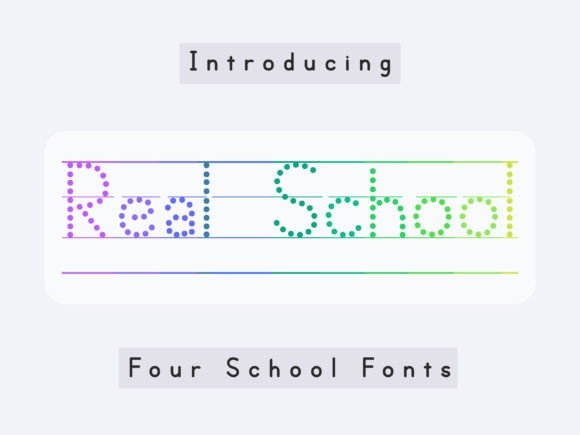
In the rapidly evolving landscape of digital design and educational content creation, the demand for authenticity has never been higher. Audiences today, whether they are parents browsing for homeschooling resources or teachers curating classroom materials, are increasingly discerning. They can instantly distinguish between sterile, mass-produced graphics and designs that carry a sense of warmth, personality, and human touch. This shift in user expectation is where Real School finds its niche. As a cute and simple lettered display baby font, it offers more than just aesthetic appeal; it provides a bridge between professional design standards and the approachable, nurturing atmosphere essential for early learning environments.
The relevance of this typeface extends beyond mere typography. It speaks to a broader trend in creative practices where functionality meets emotional resonance. For educators, entrepreneurs, and content creators, understanding how to leverage tools like Real School can significantly enhance the effectiveness of their teaching materials and marketing assets. By integrating a font that mimics the natural, slightly imperfect strokes of hand-lettering, designers can create resources that feel personal and realistic, fostering a deeper connection with young learners and their caregivers.
The Shift Toward Human-Centric Educational Aesthetics
For decades, educational materials were often characterized by rigid, standardized typography. The logic was clear: legibility and uniformity were paramount. However, modern pedagogical research and market preferences have shifted toward recognizing the importance of engagement and emotional comfort in learning. Children respond positively to visuals that feel friendly and accessible rather than institutional. This is why fonts that emulate handwriting or casual lettering have gained tremendous popularity in recent years.
Real School fits seamlessly into this modern workflow. Its design philosophy centers on simplicity and cuteness, making it an ideal choice for alphabet charts, worksheet headers, and classroom decorations. Unlike complex script fonts that may sacrifice readability for style, or overly geometric sans-serifs that can feel cold, Real School strikes a balance. It maintains the clarity necessary for early readers while injecting a playful energy that makes learning the alphabet an exciting experience rather than a chore.
This trend is not limited to physical classrooms. With the rise of remote learning, homeschooling, and digital educational products, parents and tutors are creating their own materials at home. They need tools that are easy to use yet produce professional-looking results. A font that adds a "personal and realistic feel" allows these non-designers to create high-quality resources without needing advanced graphic design skills. It democratizes the creation of engaging educational content.
Practical Applications for Teachers and Content Creators
The utility of Real School extends across various formats and mediums. For teachers, the primary goal is often to capture attention and reduce cognitive load. When a child looks at a worksheet, the visual presentation should support, not hinder, the learning process. Using a display font like Real School for titles and key concepts helps segment information visually. It signals to the student that this part of the page is important, fun, or different from the standard instructional text.
- Classroom Decor: From welcome signs to name tags, the authentic look of Real School adds a cohesive and inviting theme to the physical learning space.
- Digital Worksheets: When designing PDFs for download or print, using this font for headers can make the material feel less like a test and more like an activity.
- Social Media Graphics: Educators and parenting bloggers who share tips on platforms like Instagram or Pinterest can use Real School to create eye-catching quotes or announcements that stand out in a crowded feed.
- Product Packaging: Entrepreneurs selling educational toys or books can use this typeface on labels and packaging to convey a sense of care and craftsmanship.
For entrepreneurs and small business owners in the education sector, branding is crucial. A consistent visual identity helps build trust with parents. If a brand positions itself as warm, supportive, and child-friendly, its typography must reflect those values. Real School serves as a versatile asset in this branding toolkit. It can be paired with simpler body fonts to create a hierarchy that is both stylish and functional. This combination ensures that while the design is attractive, the core educational content remains easy to read.
Enhancing Engagement Through Typographic Personality
Typography is often described as the voice of text. Just as a teacher’s tone can encourage or discourage a student, the font choice sets the emotional tone of the material. A harsh, angular font might inadvertently create anxiety, while a soft, rounded, and slightly irregular font like Real School invites curiosity. This psychological aspect of design is increasingly recognized in user experience (UX) principles applied to educational technology and print media.
Consider the process of learning the alphabet. For a young child, letters are abstract symbols. Making them "exciting" involves connecting these symbols to positive emotions. When letters are presented in a font that looks like it was drawn by a friendly hand, they become less intimidating. The "cute" aspect of Real School is not merely decorative; it serves a pedagogical purpose by lowering barriers to entry for early literacy. It transforms the act of recognizing letters into a playful interaction.
Moreover, the "simple" nature of the font ensures that it does not distract from the content. In design, especially for children, less is often more. Overly elaborate decorations can confuse young eyes. Real School’s clean lines and straightforward structure ensure that the focus remains on the letter forms themselves, aiding in recognition and memorization. This balance between charm and clarity is what makes it a sustainable choice for long-term use in various educational contexts.
Integrating Real School into Modern Creative Workflows
Adopting a new font into your workflow requires more than just installation; it requires an understanding of where it fits best. For professionals and hobbyists alike, the key is consistency. Real School should be used strategically as a display font. This means employing it for headlines, short phrases, and emphasis points rather than long paragraphs of body text. Display fonts are designed to be seen at larger sizes, where their unique characteristics can shine without compromising readability.
When combining Real School with other typefaces, consider pairing it with a neutral sans-serif or a classic serif for body copy. This contrast creates visual interest and guides the reader’s eye through the material. For example, a homeschooling parent creating a science lesson plan might use Real School for the title "Our Garden Project" and a clean, readable font for the instructions. This hierarchy makes the document easier to navigate and more visually appealing.
Furthermore, the versatility of this font allows it to adapt to different color palettes and design styles. Whether you are working with bright, primary colors typical of early childhood education or softer, pastel tones for a calming nursery aesthetic, Real School integrates smoothly. Its authentic look complements both hand-drawn illustrations and digital icons, making it a flexible tool for mixed-media projects.
Future-Proofing Your Educational Resources
As technology continues to reshape how we learn and teach, the need for high-quality, emotionally resonant design will only grow. Digital platforms, interactive apps, and printable resources all compete for attention. Standing out requires a commitment to quality and authenticity. Fonts like Real School offer a way to inject humanity into digital spaces, reminding users that behind every screen or sheet of paper is a person caring about the learning experience.
For creators, investing in versatile, high-quality typography is a form of future-proofing. Trends in color and layout may change, but the desire for genuine, approachable communication is timeless. By incorporating Real School into your design library, you are equipping yourself with a tool that meets current demands for realism and personalization while remaining adaptable to future needs. Whether you are designing a single worksheet or building a comprehensive curriculum brand, the right typographic choices can elevate your work from functional to exceptional.
In conclusion, the value of Real School lies in its ability to humanize educational design. It addresses the modern need for authenticity, supports pedagogical goals through engaging aesthetics, and offers practical versatility for a wide range of users. By understanding and leveraging these qualities, teachers, parents, and creators can make learning not just effective, but truly enjoyable.