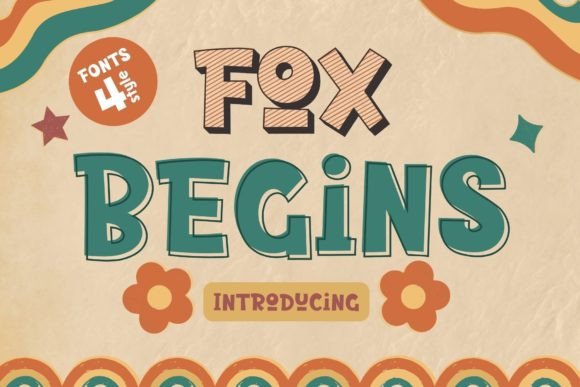
Integrating Fox Begins Into Your Creative Workflow
In the fast-paced world of digital design and branding, typography is rarely just an afterthought. It is the visual voice of your message, dictating tone, readability, and emotional impact before a single word is read. For designers, marketers, and small business owners, selecting the right typeface is a critical decision that bridges the gap between concept and execution. This is where Fox Begins enters the conversation. As a four-style font family characterized by its cool, cute, and playful aesthetic, it offers more than just visual appeal; it provides a versatile tool for enhancing engagement across various media.
Understanding how to effectively integrate Fox Begins into your broader creative process requires looking beyond its immediate appearance. It involves assessing where this display font fits within your project timeline, how it interacts with other design elements, and how it can streamline your workflow from initial brainstorming to final delivery. Whether you are designing a restaurant menu, crafting a logo for a startup, or creating custom apparel, the strategic use of this font can elevate the perceived quality and uniqueness of your output.
The Role of Display Fonts in Early Conceptualization
The early stages of any creative project are often defined by exploration. During this phase, designers and entrepreneurs gather inspiration, define brand personalities, and sketch out rough ideas. Fox Begins serves as an excellent catalyst during this conceptualization period because of its expressive nature. Its vibrant design immediately suggests energy and approachability, which can help clarify the direction of a brand identity that aims to be friendly and captivating.
When you are mapping out a new product line or a marketing campaign, using a font like Fox Begins in your mood boards and preliminary sketches can set a clear tonal benchmark. It helps stakeholders visualize the end result more concretely than generic placeholder text. By introducing this specific typographic style early, you establish a consistent visual language that guides subsequent decisions regarding color palettes, imagery, and layout structures. This proactive approach reduces the need for major revisions later in the process, as the core personality of the design is locked in from the start.
Practical Applications Across Different Media
One of the strongest assets of Fox Begins is its adaptability. While it is classified as a display font, its four distinct styles allow it to function in various contexts without losing its characteristic charm. Understanding these nuances is key to maximizing its utility in your daily workflow.
- Print Publications and Menus: In the hospitality industry, menus need to be both readable and reflective of the establishment’s vibe. Fox Begins works exceptionally well for section headers or special item highlights on café and restaurant menus. Its playful yet clean lines ensure that prices and descriptions remain legible while adding a touch of whimsy that enhances the dining experience.
- Brand Identity and Logos: For startups and small businesses, standing out is crucial. Using Fox Begins in logo design can create a memorable mark that resonates with younger demographics or families. The font’s unique character shapes reduce the need for excessive graphic embellishments, allowing for a cleaner, more scalable logo that performs well on both digital screens and printed business cards.
- Apparel and Merchandise: The fashion and retail sectors rely heavily on typography to convey attitude. When printed on t-shirts, hoodies, or tote bags, Fox Begins exudes a casual, energetic vibe. Its bold strokes ensure visibility from a distance, making it ideal for streetwear brands or event merchandise where immediate visual impact is necessary.
- Digital Banners and Social Media: In digital marketing, attention spans are short. Headlines created with Fox Begins grab attention quickly due to their expressive forms. Whether used in Instagram stories, Facebook ads, or website banners, the font helps break through the noise, encouraging users to stop scrolling and engage with the content.
Integration With Existing Design Systems
A common concern when adopting a distinctive display font is compatibility with existing design systems. Fox Begins is designed to complement rather than clash with other typographic choices. To maintain professional quality control, it is best used as a primary headline font paired with a neutral, highly legible sans-serif or serif body font. This contrast creates a visual hierarchy that guides the reader’s eye naturally through the content.
From a technical standpoint, integrating Fox Begins into your workflow is straightforward. It supports standard file formats compatible with major design software such as Adobe Illustrator, Photoshop, InDesign, and Canva. This compatibility ensures that you can move seamlessly between vector-based logo creation and raster-based social media graphics without worrying about font rendering issues. For teams collaborating remotely, sharing the font files or using cloud-based design platforms that support custom uploads ensures consistency across all deliverables.
Enhancing Efficiency in Production Workflows
Efficiency in design is not just about speed; it is about reducing friction. Fox Begins contributes to a smoother production process by offering pre-balanced weights and styles. Instead of spending hours adjusting kerning or weight distribution manually, designers can rely on the font’s inherent structural integrity. This allows for faster iteration cycles, particularly when working under tight deadlines for client presentations or product launches.
Moreover, the font’s versatility reduces the need to purchase multiple specialized fonts for different projects. A single license for Fox Begins can cover needs ranging from formal business cards to playful party invitations. This consolidation simplifies asset management and licensing compliance, which is particularly beneficial for freelancers and small agencies managing multiple clients. By standardizing on a flexible typeface family, you reduce administrative overhead and focus more energy on creative execution.
Quality Control and Long-Term Usability
While Fox Begins is inherently playful, maintaining professionalism requires disciplined application. One practical tip is to avoid using it for long blocks of body text. Its decorative nature can cause reader fatigue if overused. Reserve it for headlines, call-to-action buttons, and short labels where its personality can shine without compromising readability.
Additionally, consider the context of your audience. While the font appeals to a broad demographic, its cute and energetic tone may not suit highly corporate or solemn industries. However, for educators, lifestyle bloggers, and consumer-facing brands, it strikes the right balance between fun and functionality. Regularly reviewing your designs with fresh eyes or seeking peer feedback can help ensure that the use of Fox Begins remains appropriate and effective for your specific goals.
In conclusion, Fox Begins is more than just a collection of letters; it is a strategic design asset. By understanding its strengths and integrating it thoughtfully into your creative workflow, you can enhance the visual appeal of your projects while maintaining efficiency and consistency. Whether you are designing a new brand identity or updating your social media presence, this font offers the flexibility and character needed to make your work stand out in a crowded marketplace.